|
Expert Problem Solvers |
Volko Supply |
|
|
is your |
Compare our prices!! |
|
|
Compare our Service!! 1-800-685-8263 |



| *Kitchen Hoods* | *EXHAUSTO Bits* | * Quotes & Prices * | info@volko.com |
|
Help draft wood burning fireplaces & woodstoves, gas log fireplaces, pellet stoves, kitchen hoods, indoor & outdoor bar-b-que grills, chimineas, pizza ovens and just about any other appliance that exhausts using a chimney or smoke pipe.
Draft & ventilation solutions for
wood fired pizza ovens, gas ovens, bread ovens, brick ovens, coal fired ovens,
clay ovens, indoor & outdoor bbq's, coffee roasters, grills.
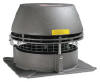
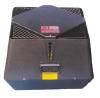
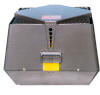
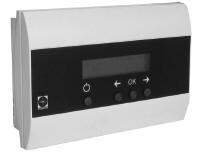
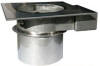
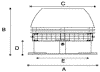
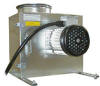
ENERVEX fans are designed and manufactured to be the best kitchen exhaust fans available and to meet future requirements for energy efficiency. Direct Drive and Variable Speed are standard. All fans are ruggedly built with only the highest quality components and have an unmatched history for reliability and durability.
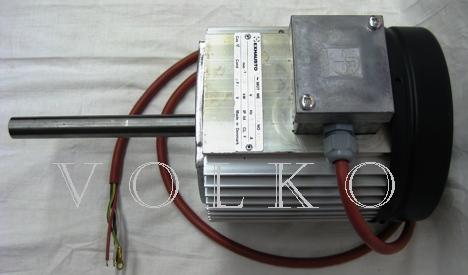
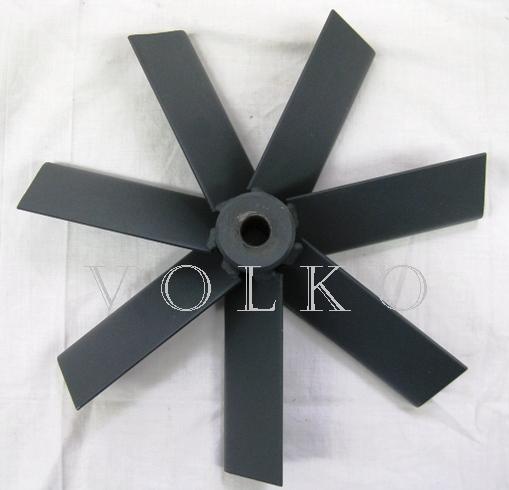
Need EXHAUSTO fan parts... or a replacement motor for an EXHAUSTO fan?
Definition of Mechanical Venting While used for decades in Europe, mechanical venting of fireplaces and stoves is relatively new in USA. Building codes, ANSI and NFPA standards hardly mention "mechanical venting". And, when mechanical venting is mentioned it is referred to as "draft inducing", which leads to "draft inducing equipment". "Draft inducer" has become trade name for a paddlewheel fan that is inserted into the flue between the appliance outlet and the chimney termination. There is still a misconception about mechanical venting. Many professionals still don't understand the difference between draft inducers and chimney fans. These are our definitions that should explain the major differences: Draft Inducer: "A fan or ventilator that is installed between the appliance outlet and the chimney termination. The draft inducer creates a negative pressure on the inlet side and a positive pressure on the outlet side." Chimney Fan: "A fan or ventilator that is installed at the chimney termination. The chimney fan creates a negative pressure in the entire chimney system". Obviously, by pressurizing the flue the draft inducer can not be used in any stack or chimney flue that is exposed to living quarters. Using an in-line draft inducer almost always creates problems with warranties provided by stack and chimney manufacturers, and if the chimney system is listed the installation of a draft inducer will definitely void the listing. Further, the draft inducer is neither made nor designed for use in a dirty environment with creosote. On the other hand, a chimney fan can be used on any type stack or chimney flue because it does not pressurize anything. ENERVEX Fans... the ultimate draft solution. |
|